Teeth Scaling in Malaysia | Benefits for Healthy Gums & Teeth
Learn why teeth scaling is essential for healthy gums and teeth in Malaysia. Discover its benefits, procedure, and recommended frequency.
Introduction
Teeth scaling is a crucial preventive dental procedure that has gained significant popularity in Malaysia due to its effectiveness in maintaining oral health. This procedure involves the meticulous removal of hardened plaque, commonly referred to as tartar, which accumulates on the teeth over time. Tartar is a mineralized form of plaque that can develop when plaque is not adequately removed through regular brushing and flossing.
The presence of tartar not only detracts from the aesthetic appearance of the teeth but also poses serious risks to oral health by creating an environment conducive to the development of gum disease and cavities.
What is teeth scaling?
Professional cleaning using manual or ultrasonic tools to remove tartar and bacteria. Protects enamel and maintains healthy gums.
Professional Cleaning Techniques for Dental Health
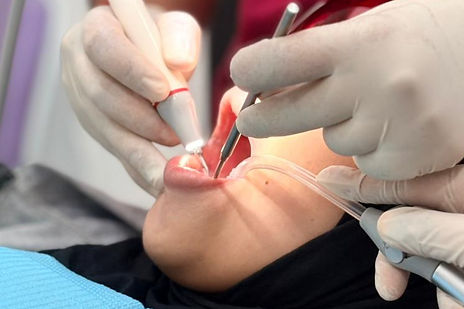
Professional cleaning is an essential aspect of maintaining oral hygiene, utilizing both manual and ultrasonic tools to effectively remove tartar and bacteria that accumulate on teeth.
These cleaning methods not only contribute to a brighter smile but also play a crucial role in protecting the enamel and ensuring that gums remain healthy.
Manual Cleaning Tools
Manual cleaning involves the use of handheld instruments, such as scalers and curettes, which are designed to meticulously scrape away tartar buildup from the surfaces of the teeth.
Dental professionals are trained to use these tools with precision, enabling them to reach areas that may be difficult for patients to clean effectively at home.
The tactile feedback provided by manual tools allows for a thorough examination of the tooth surfaces, ensuring that all plaque and tartar are removed. This method is particularly effective for patients with mild to moderate tartar buildup and can be complemented by polishing techniques to smooth the enamel surface post-cleaning.
Ultrasonic Cleaning Tools
In contrast, ultrasonic cleaning employs high-frequency sound waves to create vibrations that dislodge tartar and bacteria from teeth. This method is highly efficient, as it can cover larger areas in a shorter amount of time compared to manual cleaning.
The ultrasonic device emits a fine mist of water, which helps to wash away debris as it breaks apart the hardened deposits on the teeth.
This technique is particularly beneficial for individuals with significant tartar accumulation or those who may experience discomfort during manual scaling. The combination of vibration and water also aids in reducing the risk of damaging the enamel, making it a safe option for maintaining dental health.
The Importance of Removing Tartar and Bacteria
Tartar, also known as calculus, is a hard mineralized deposit that forms on teeth when plaque is not removed through regular brushing and flossing. If left untreated, tartar can lead to various dental issues, including gum disease, cavities, and bad breath.
Bacteria that thrive in the presence of tartar can cause inflammation and infection in the gums, leading to periodontal disease, which can ultimately result in tooth loss if not addressed.
Regular professional cleaning sessions are vital in preventing these complications, as they eliminate the sources of bacteria and help to maintain the integrity of both the enamel and the gums.
Benefits of Teeth Scaling
Prevents Gum Disease – Dental scaling helps prevent gum disease by removing plaque and hardened tartar that accumulate around and below the gum line. These deposits contain bacteria that irritate the gums, leading to inflammation, bleeding, and infection. By eliminating these harmful bacteria, scaling reduces gum inflammation and lowers the risk of gingivitis and more advanced periodontal disease.
Reduces Cavities – Scaling removes bacteria-laden tartar that brushing and flossing cannot reach. Tartar provides a rough surface where bacteria thrive and produce acids that weaken tooth enamel. By removing this buildup, scaling helps reduce the risk of tooth decay and cavities, supporting stronger and healthier teeth.
Improves Oral Hygiene – Scaling significantly improves oral hygiene by removing plaque and hardened tartar that cannot be eliminated through regular brushing and flossing alone. These deposits harbour bacteria that contribute to bad breath, gum inflammation, and tooth decay. By thoroughly cleaning the teeth and areas along the gum line, scaling helps reduce odor-causing bacteria, resulting in fresher breath. It also creates smoother tooth surfaces, making it more difficult for plaque to accumulate again, which supports healthier teeth and gums in the long term. Regular dental scaling plays an essential role in maintaining overall oral hygiene and preventing common dental problems.
Supports Overall Health – Healthy gums play an important role in overall health. Gum disease has been associated with systemic conditions such as diabetes and heart disease. Regular dental scaling helps maintain healthy gums, reduces chronic inflammation in the mouth, and supports better general health by lowering the risk of complications linked to poor oral hygiene.
How Often Should You Do Scaling for Your Teeth?
Dental professionals generally recommend having your teeth scaled every six months as part of a routine oral care schedule. However, the exact frequency of scaling may vary depending on individual oral health, lifestyle, and risk factors such as gum disease, plaque buildup, smoking, or certain medical conditions. Regular scaling helps remove hardened tartar and plaque that cannot be eliminated by brushing or flossing alone, reducing the risk of cavities, gum disease, and persistent bad breath. By following a dentist-recommended scaling schedule, you can maintain healthier gums, stronger teeth, and overall better oral hygiene in the long term.
Procedure Overview for Dental Scaling
Comprehensive Dental Assessment
The scaling process begins with a thorough dental assessment. The dentist examines your teeth and gums to identify areas with plaque, tartar buildup, or signs of gum disease. This evaluation ensures that the scaling treatment is tailored to your individual oral health needs and helps detect any underlying issues that may require further attention.
Professional Scaling
Using specialized dental instruments, the dentist carefully removes plaque and hardened tartar from the surface of the teeth and along the gum line. This step may involve ultrasonic tools or manual scaling instruments. Professional scaling reaches areas that brushing and flossing cannot, effectively eliminating bacteria that cause gum inflammation, cavities, and bad breath.
Polishing for a Smooth Finish
After scaling, the dentist polishes your teeth to smooth the surfaces and remove minor stains. Polishing not only enhances the appearance of your teeth but also makes it more difficult for plaque to accumulate in the future, supporting long-term oral hygiene.
Polishing for a Smooth Finish
Finally, the dentist provides advice on maintaining oral hygiene at home, including proper brushing, flossing techniques, and lifestyle tips to prevent plaque buildup. Regular scaling, combined with good daily care, helps maintain healthy gums, fresh breath, and stronger teeth.
Conclusion
Regular teeth scaling, when combined with consistent daily oral care, is essential for maintaining long-term oral health in Malaysia. Scaling removes hardened plaque and tartar that cannot be eliminated by brushing or flossing alone, helping to prevent gum disease, cavities, and bad breath.
By keeping the gums healthy and teeth clean, scaling also supports overall well-being, as oral health is closely linked to general health conditions such as diabetes and heart disease.
Routine scaling appointments every six months, or as recommended by your dentist to ensure that your teeth and gums remain in optimal condition. Alongside proper brushing, flossing, and a healthy lifestyle, professional dental scaling helps Malaysians maintain stronger teeth, fresher breath, and a confident smile.
For the best results, schedule regular dental check-ups with a trusted dental clinic in Malaysia to tailor your oral care routine to your individual needs.


Comments